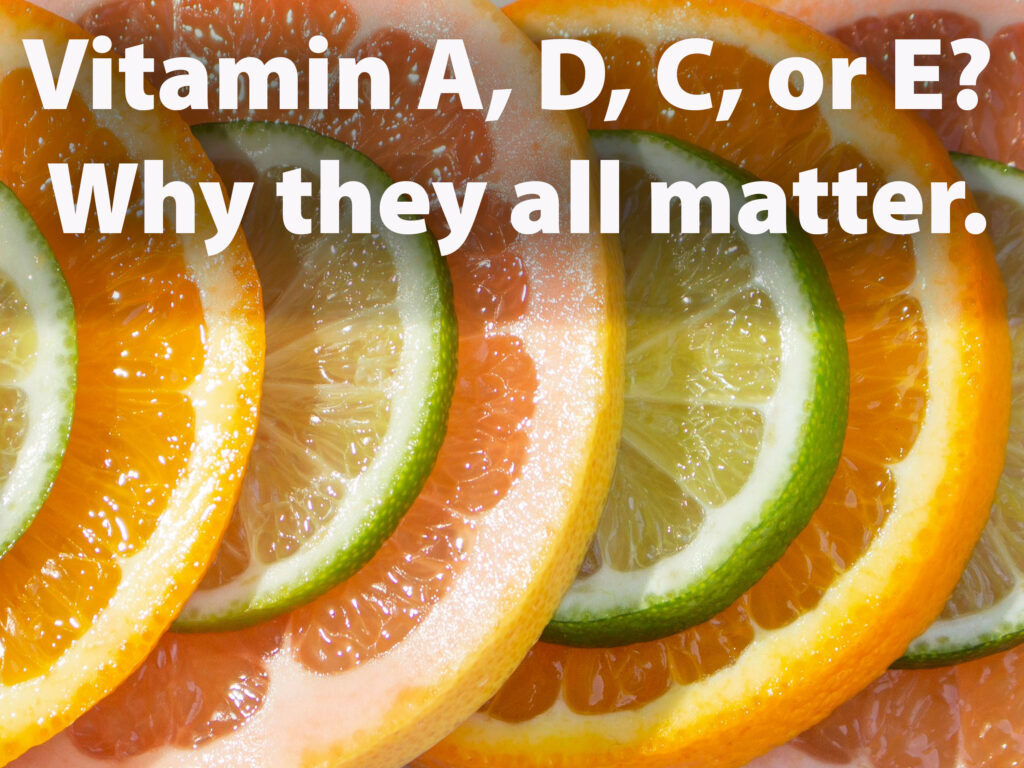
In care homes, conversations about vitamins come up a lot. And it makes sense – A, D, C, and E are all really important. Vitamins help with Immunity, bone strength, skin health, and healing, plus many more important health benefits. Care homes want to know they’re doing right by the residents in their care, and vitamins play their part.
But here’s the thing: in practice, picking the “right” vitamin is rarely the most important consideration.
The more important question is much simpler.
Are residents well hydrated? Are they eating enough? And are they getting help when they can’t manage on their own?
Because no vitamin works well in a dehydrated, undernourished body. That’s just biology.
Hydration first, and here’s why
Elderly people are particularly vulnerable to dehydration, and the tricky part is that it often creeps up quietly. They may not feel thirsty. They may forget to drink. They may not be able to say they need something to drink.
And the knock-on effects are serious: confusion, falls, fatigue, infections, poor appetite, and even reduced effectiveness of medication. Once someone becomes dehydrated, everything else gets harder: eating, moving, absorbing nutrients, and recovering.
So before we even get to vitamins, we need to ask: have they had enough to drink today?
What the vitamins actually do
They do matter, just not in isolation.
- Vitamin D is probably the most important one in a care setting. Most residents spend little time outdoors, which means they’re missing out on the main way the body produces it — through sunlight. Without enough Vitamin D, bones become more fragile and muscles weaker, which directly increases the risk of falls and fractures. In elderly residents, a fall can be life-changing, so anything that supports strength and stability matters.
- Vitamin C is well known for supporting the immune system, but it also plays a key role in healing — particularly relevant for residents with pressure sores or recovering from procedures. There’s also something worth highlighting here: Vitamin C is water-soluble, which means the body can only absorb it properly when someone is well hydrated. Dehydration doesn’t just affect how someone feels — it can stop the body from making proper use of the nutrients it’s already getting.
- Vitamin A supports three things that tend to become more vulnerable as we age: eyesight, the ability to fight off infection, and the body’s ability to heal and repair itself. For residents who seem to pick up infections easily or take a long time to recover from minor wounds, this is a quietly important nutrient.
- Vitamin E helps protect the body’s cells from the kind of gradual damage that builds up over time. For elderly residents, this is particularly relevant for skin health — especially for those who are less mobile and more prone to skin breakdown — as well as giving the immune system extra support.
All useful. None of them a substitute for drinking water and eating good, healthy food.
What the CQC is looking at
The Care Quality Commission doesn’t inspect care homes by checking which vitamins are on the shelf. Under Regulation 14, they want to know whether residents are genuinely hydrated and nourished every day, consistently, with proper monitoring and support.
Are fluids being offered regularly? Are meals accessible and appropriate? Are staff helping residents who struggle to eat or drink independently? Are risks being spotted early?
That’s the standard. Vitamins are part of it, but they sit within that bigger picture, not above it.
The honest takeaway
If you want vitamins to do their job, the foundation has to be there first. Hydration, then nutrition, then supplementation. In that order.
It’s why we created WaterADE
Created for the elderly – WaterADE is a mix of great taste, strong, vibrant natural colours, coupled with vitamin-rich formulas. With ten flavours to choose from, WaterADE has a great fruity aroma too.
If you’d like to know more about WaterADE, please get in touch with us, and we can provide all the details you need. We can also provide a trial sample pack.